| Genre: | Horror, Science Fiction, Thriller |
| Year: | 1966 |
| MPAA Rated: | R |
| Viewer Rating: | |
| IMDB Rating: | 7.6 |
| Director: | John Frankenheimer |
| Actors: | Rock Hudson, Frank Campanella, John Randolph |
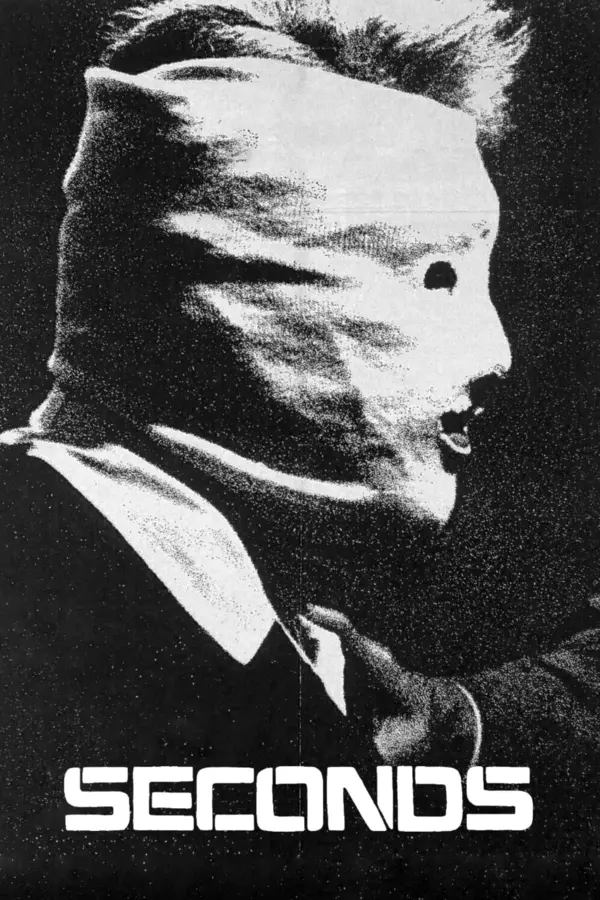
Directed by John Frankenheimer, Seconds (1966) is a chilling, fiercely paranoid, and visually revolutionary psychological sci-fi thriller that stands as a high-water mark of mid-century American independent cinema. The story follows Arthur Hamilton (John Randolph), a deeply unhappy, middle-aged middle-class banker living a hollow, monotonous existence in a sterile suburban marriage and routine in New York City. His suffocating reality is shattered when a deceased friend unexpectedly calls him from beyond the grave to offer him a radical way out: contact “The Company,” a mysterious, highly secretive underground organization that specializes in faking client deaths and granting unhappy individuals an entirely new lease on life through plastic surgery, a new identity, and a completely fresh start.
Seduced by the promise of casting off his old burdens, Arthur undergoes a radical, agonizing physical and psychological transformation, emerging as Tony Wilson (played with intense, restless charisma by Rock Hudson), a handsome, wealthy bohemian painter living a glamorous life in Malibu, California. However, Arthur soon discovers that escaping one’s past is impossible; his new freedom is monitored by a cold, corporate collective, and his deep-seated psychological alienation follows him into his second chance. Featuring James Wong Howe’s breathtaking, wide-angle, hallucinatory cinematography and Jerry Goldsmith’s dissonant, anxiety-inducing score, Frankenheimer’s masterpiece delivers a devastating critique of the American Dream.
What Makes This Movie Special
- James Wong Howe’s Masterclass in Cinematography: Legendary cinematographer James Wong Howe strapped cameras to his own body, used extreme fish-eye lenses, and roller-skated alongside actors to create a dizzying, subjective, and claustrophobic visual nightmare.
- Rock Hudson’s Fearless Departure: Heartthrob star Rock Hudson delivers the most daring and vulnerable performance of his career, completely subverting his romantic-comedy persona to play a man trapped inside a terrifying existential crisis.
- A Masterpiece of Paranoia: Long before modern psychological thrillers explored corporate conspiracies and identity theft, Seconds tapped into deep mid-century anxieties regarding consumerism, conformity, and loss of self.
- Unflinching Artistic Vision: Although critically misunderstood and commercially unsuccessful upon its initial 1966 release due to its bleak tone, the film has since been rightfully reclaimed as an enduring cinematic masterpiece.
Why You May Like This Movie
- You love visionary 1960s psychological thrillers that combine mind-bending sci-fi premises with dark, cynical social satire.
- You appreciate avant-garde cinematography, expressionistic camera work, and bold black-and-white visual storytelling.
- You enjoy intense character studies about identity, regret, existential dread, and the psychological cost of chasing perfection.
- You seek out legendary cult classics that pushed the boundaries of studio filmmaking and anticipated modern dystopian cinema.
Fun Facts
- Director John Frankenheimer and producer Edward Lewis famously shot the astonishing opening train station and Grand Central Terminal sequences using hidden cameras, capturing genuine, unscripted reactions from unsuspecting commuters.
- Rock Hudson was so eager to work with John Frankenheimer and prove his dramatic acting range that he personally campaigned for the role of Tony Wilson, despite knowing it would challenge his traditional matinee-idol image.
- During the filming of the famous, chaotic Dionysian wine-stomp bacchanal sequence, cinematographer James Wong Howe strapped a camera directly to his chest and waded into the swirling crowd of extras, getting physically knocked about to capture raw, authentic energy.
- The film competed for the prestigious Palme d’Or at the 1966 Cannes Film Festival, where James Wong Howe’s mesmerizing black-and-white photography won immediate critical acclaim from European art-house audiences.